
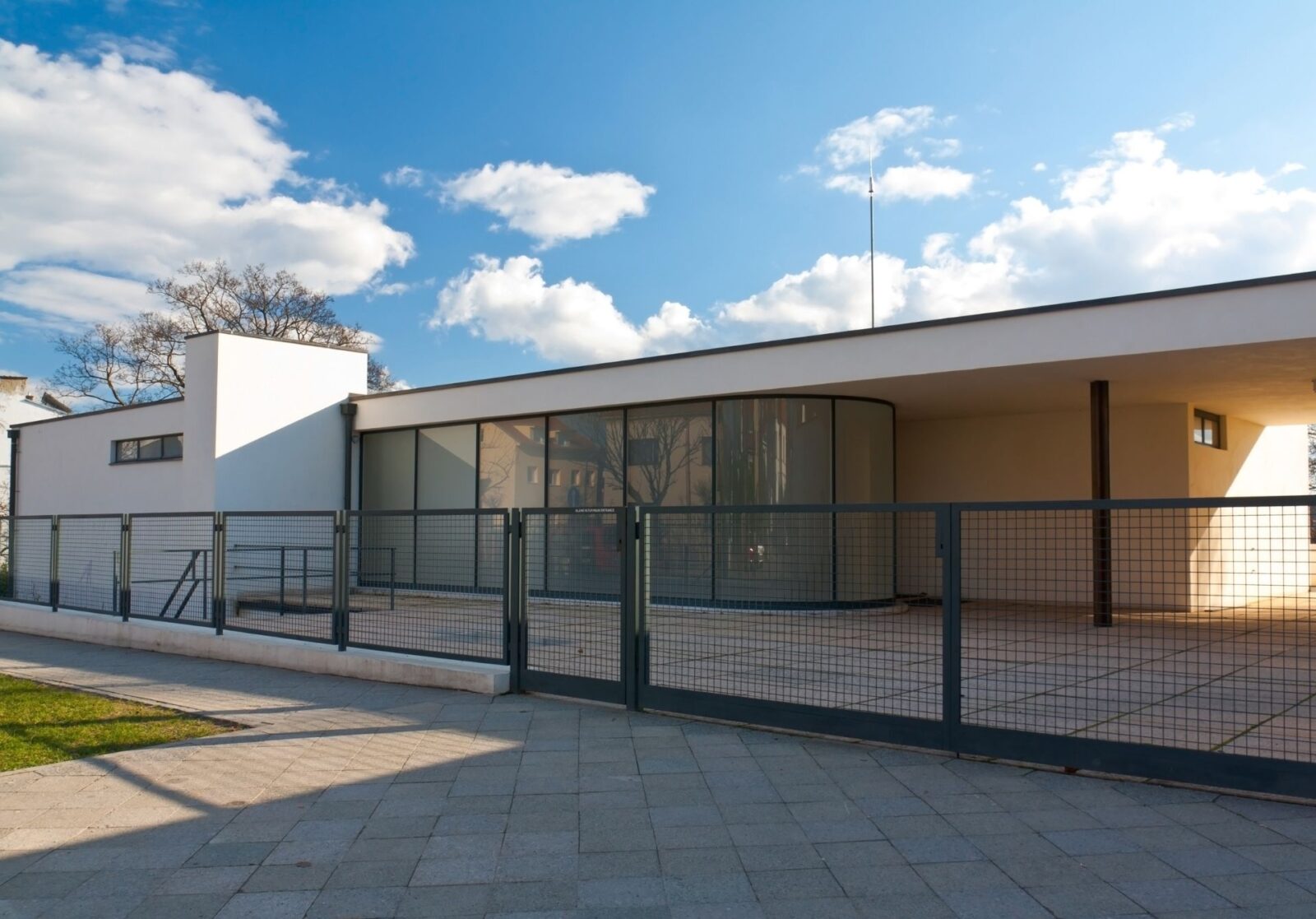
Villa Tugendhat
Villa Tugendhat, located in Brno, Czech Republic, stands as one of the most significant examples of modernist architecture in Europe. Designed by renowned architect Ludwig Mies van der Rohe and completed in 1930, this revolutionary building represents a pivotal moment in architectural history and continues to inspire designers and architects worldwide.
Historical Context and Commission
The villa was commissioned by Grete and Fritz Tugendhat, wealthy Jewish industrialists who desired a modern home that would reflect their progressive outlook. The couple gave Mies van der Rohe complete creative freedom and an almost unlimited budget, resulting in what would become one of the most expensive residential projects of its time, with costs reaching approximately 5 million Czechoslovak crowns (equivalent to several million dollars today).
Architectural Innovation
Villa Tugendhat introduced several groundbreaking architectural features that were unprecedented in residential architecture of the 1930s:
Structural Innovation
The villa’s steel frame construction was revolutionary for residential architecture, utilizing a grid of twenty-nine steel columns. These chrome-clad columns, cross-shaped in section, supported the concrete floor slabs and allowed for the creation of free-flowing spaces unencumbered by traditional load-bearing walls.
The Glass Wall System
Perhaps the most innovative feature was the fully retractable, floor-to-ceiling plate glass windows in the main living area. Two of these massive windows could be lowered completely into the basement using an electric motor system, creating a seamless connection between interior and exterior spaces – a feature that was decades ahead of its time.
Interior Design and Materials
The interior of Villa Tugendhat showcases Mies van der Rohe’s philosophy of “less is more” while simultaneously displaying extraordinary attention to material quality:
- Onyx wall: A massive onyx partition from Morocco serves as both a room divider and a natural light modulator
- Exotic woods: Makassar ebony, zebra wood, and rosewood were used extensively for built-in furniture
- Custom furniture: The iconic Tugendhat chair and Brno chair were designed specifically for the villa
Historical Significance and UNESCO Recognition
The villa’s history mirrors the turbulent 20th-century history of Central Europe. The Tugendhat family was forced to flee in 1938 due to the rising threat of Nazism. During World War II, the building served various purposes, including as a residence for the Gestapo and later as quarters for the Soviet military. After decades of neglect under communist rule, the villa underwent a comprehensive restoration from 2010 to 2012, returning it to its original glory.
In 2001, UNESCO recognized Villa Tugendhat’s exceptional significance by inscribing it on the World Heritage List, citing it as “an outstanding example of the international style in the modern movement in architecture as it developed in Europe in the 1920s.”
Technical Specifications
The villa’s impressive statistics include:
- Total floor area: 2,000 square meters
- Main living space: 280 square meters
- Plot size: 2,000 square meters
- Number of rooms: Over 20 across three levels
Legacy and Influence
Villa Tugendhat continues to influence contemporary architecture and design in several ways:
- It serves as a prime example of the integration of architecture with its natural surroundings
- The villa demonstrates how technology can be harmoniously incorporated into residential design
- Its open-plan layout has influenced countless modern homes
- The building showcases the successful marriage of functionality and aesthetic beauty
Villa Tugendhat represents more than just a masterpiece of modernist architecture; it stands as a testament to the enduring power of innovative design. Its groundbreaking features, from the retractable glass walls to the revolutionary steel frame construction, continue to inspire architects and designers nearly a century after its completion. As we look to the future of architecture, the villa serves as a reminder that true innovation, when executed with precision and vision, can create spaces that transcend their time and continue to resonate with future generations.